
The End of
Programming
As We Know It
Is the era of humans writing code over? Or are we witnessing the evolution of the programmer into the system architect? An interactive analysis of the Ryan Dahl debate.
The Student Consensus
Three student groups unanimously rejected the "End of Programming" thesis. Here are their core arguments dissected.
"AI lacks emotion, logic, and context."
Students argued that AI cannot replicate human understanding of business logic, ethics, and real-world constraints. It lacks "intentionality."
"Cheaper code means MORE demand."
Referencing Jevons Paradox: as AI makes coding more efficient, the demand for complex software systems will explode, increasing the need for architects.
"Who fixes the AI's bugs?"
AI hallucinations and security vulnerabilities require human experts to verify, debug, and secure the generated code.
Evolution of Abstraction
From flipping switches to describing intent. Programming hasn't ended; it has ascended the abstraction ladder.
Direct manipulation of hardware. Binary instructions (0s and 1s). Zero abstraction.
First layer of abstraction. Mnemonic codes (MOV, ADD) replace raw binary. Still hardware-specific.
High-level logic. Functions, loops, and memory management. Portable across machines.
Modeling real-world entities. Classes, inheritance, and garbage collection. Massive productivity boost.
React, Docker, AWS. assembling pre-built blocks rather than writing everything from scratch.
Describing 'what' instead of 'how'. The shift from syntax to system architecture.
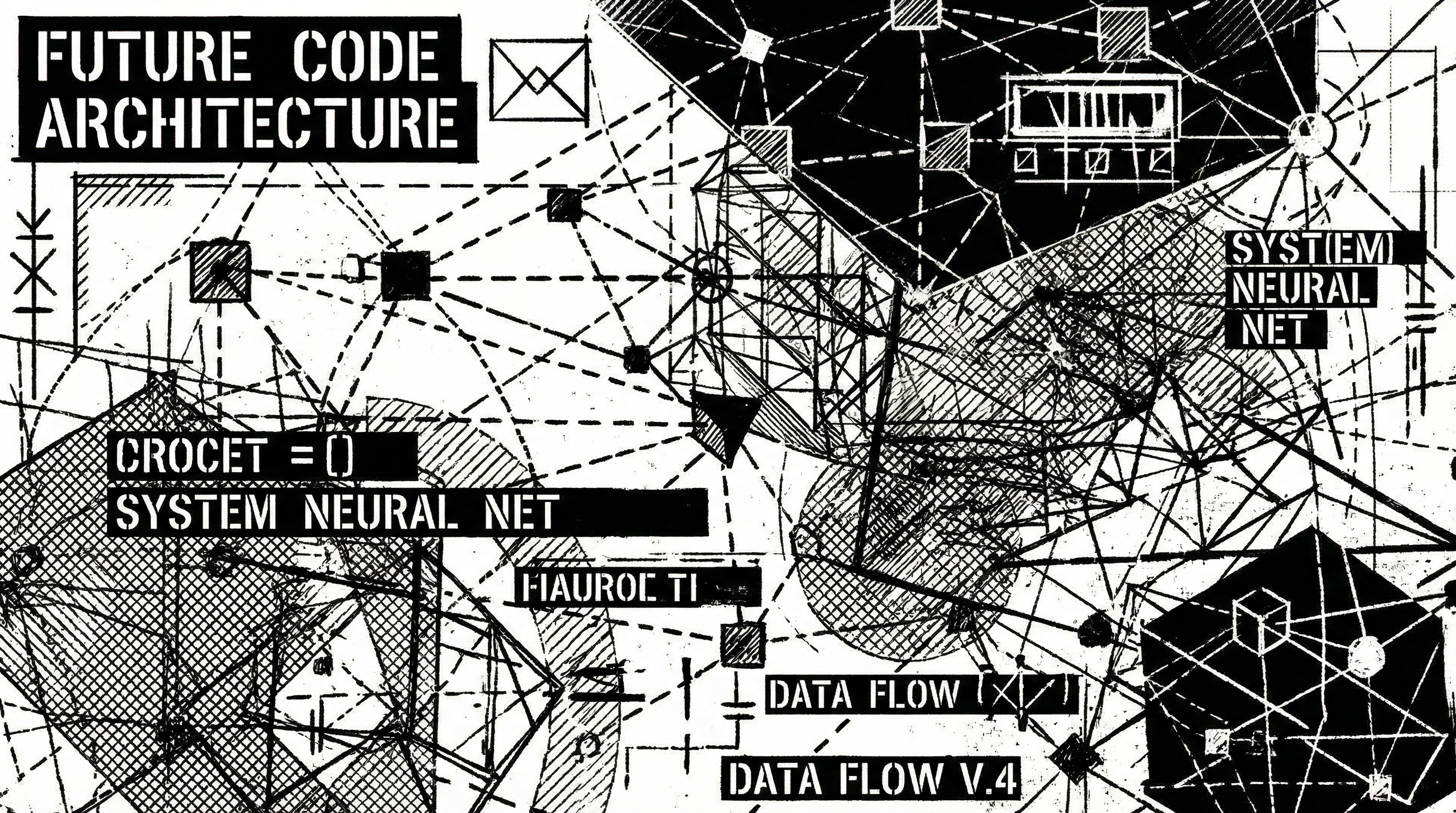
Theoretical Analysis
The Abstraction Paradox
We are witnessing the next abstraction leap. Just as compilers freed programmers from assembly, AI frees us from syntax. However, as abstraction increases, the cognitive distance between intent and implementation grows.
"The programmer must possess deeper understanding to verify correctness—not less."
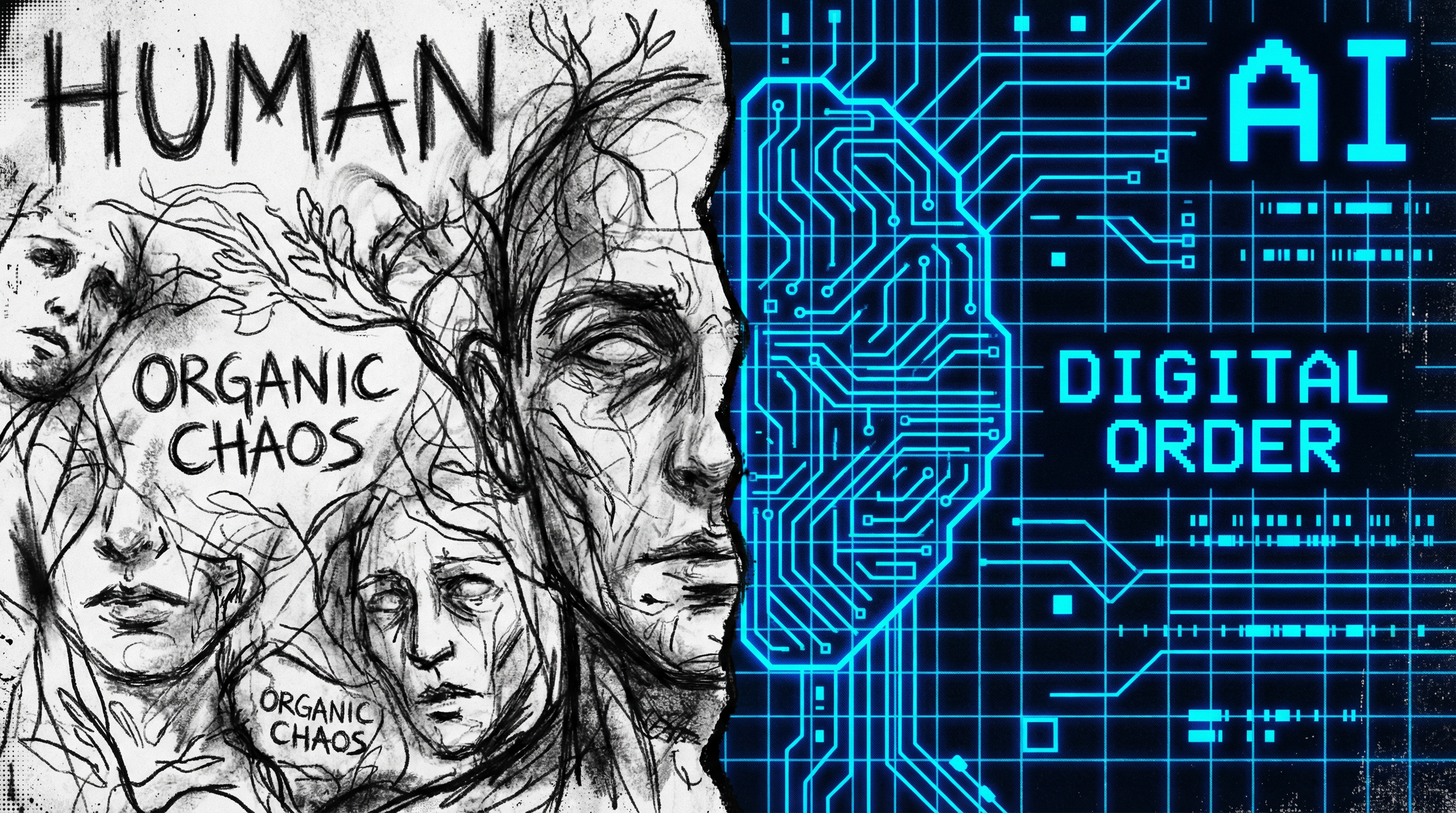
Transformation, Not Termination
"The era of humans manually typing every line of code is ending; the era of humans architecting, verifying, and taking responsibility for software systems is intensifying."
From Writing to Reading
Future developers will spend more time reviewing and critiquing AI code than writing it from scratch.
Computational Thinking
Decomposing problems and reasoning about complexity remains the core, irreplaceable skill.
System Architecture
The bottleneck shifts from "how to implement" to "what to build and why".